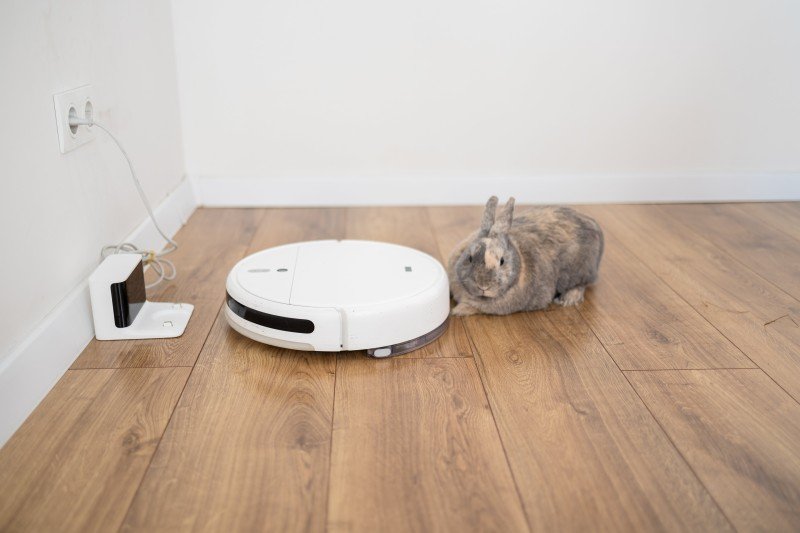
The Evolution of Home Cleaning: Robot Vacuum Cleaners with Mop
In the ever-evolving landscape of home technology, one innovation sticks out for its benefit and effectiveness: the robot vacuum with a mop. These gadgets have actually transformed the method households handle their cleaning regimens, using a seamless service to maintaining a spotless home. This post explores the features, benefits, and useful factors to consider of these robotic marvels, providing important insights for those wanting to buy one.
Introduction to Robot Vacuum Cleaners with Mops
Robot vacuum with mops, typically referred to as "mop vacuums" or "mopping robotics," are smart cleaning gadgets designed to handle both vacuuming and mopping tasks. These robots use innovative navigation and cleaning innovations to move around homes, cleaning floorings and mopping as they go. They are particularly advantageous for homes with busy lifestyles, as they can operate individually and on a schedule, guaranteeing that floors are always clean without the need for manual intervention.
Key Features of Robot Vacuum Cleaners with Mops
Dual Cleaning Functions
- Vacuuming: Equipped with effective suction, these robotics can efficiently eliminate dirt, dust, and particles from different floor types, consisting of wood, tile, and carpet.
- Mopping: Many designs feature a mopping system that can be activated individually or in conjunction with the vacuuming function, using microfiber pads or special mopping solutions to tidy and polish floorings.
Advanced Navigation Systems
- Lidar Technology: Some models use Lidar (Light Detection and Ranging) to develop an exact map of the home, enabling them to browse effectively and prevent obstacles.
- Visual Navigation: Others make use of electronic cameras and visual markers to map and navigate their environment, ensuring thorough and constant cleaning.
Connection and Smart Features
- App Control: Most robot vacuum with mops can be controlled through a smartphone app, permitting users to schedule cleanings, screen development, and adjust settings from another location.
- Voice Commands: Integration with smart home assistants like Amazon Alexa and Google Assistant allows users to manage the robot with voice commands, adding another layer of convenience.
Personalized Cleaning Modes
- Area Cleaning: For localized messes, spot cleaning modes concentrate on a particular area.
- Edge Cleaning: These modes make sure that the robot can clean up along walls and in corners, where dirt and dust frequently collect.
- Arranged Cleaning: Users can set the robot to clean up at specific times, guaranteeing that the home is always tidy without manual effort.
Maintenance and Convenience
- Self-Cleaning Station: Some designs feature a self-cleaning station that immediately empties the dust bin and cleans up the mop pad, lowering the need for regular manual upkeep.
- Replaceable and Washable Filters: Most robotics have filters that can be easily replaced or washed, ensuring ideal performance with time.
Advantages of Using a Robot Vacuum Cleaner with Mop
Time and Effort Savings
- Automation: These robots automate the cleaning process, permitting property owners to focus on other jobs.
- Consistency: Regular cleaning schedules can help preserve a regularly tidy environment.
Enhanced Cleaning Performance
- Extensive Coverage: Advanced navigation systems make sure that the robot covers every part of the floor, consisting of hard-to-reach locations.
- Dust and Allergen Reduction: Regular cleaning can significantly reduce dust and allergens, adding to a healthier living environment.
Flexibility
- Several Floor Types: These robots are developed to manage various floor types, making them suitable for a vast array of homes.
- Wet and Dry Cleaning: The capability to change in between vacuuming and mopping modes offers versatility in cleaning requirements.
Ecological Impact
- Energy Efficiency: Modern robot vacuum cleaners with mops are designed to be energy-efficient, reducing electrical power intake.
- Water Usage: Some models utilize minimal water for mopping, assisting to save this precious resource.
Practical Considerations
Floor Type Compatibility
- Hard Floors: Robot vacuum cleaners with mops are especially efficient on hard floors like wood, marble, and tile.
- Carpets: While numerous models can handle low-pile carpets, they may not appropriate for high-pile or shag carpets.
Challenge Avoidance
- Furnishings: Ensure that furniture is organized in a way that permits the robot to move easily.
- Cables and Small Objects: Keep cables and small things out of the robot's path to avoid entanglement and damage.
Battery Life
- Charge Time: Most robots have a battery life of 1.5 to 3 hours and can go back to their charging dock when the battery is low.
- Cleaning Time: The battery life will identify how much area the robot can clean in one session.
Noise Level
- Peaceful Operation: Many models are developed to operate silently, making them ideal for use throughout the day or during the night.
- Mopping Noise: Some users find the mopping function to be somewhat louder than vacuuming, but it is generally not disruptive.
Water Management
- Managed Flow: Ensure that the robot's water management system is well-calibrated to prevent water damage to floors.
- Auto-Emptying: Models with self-cleaning stations frequently have functions to instantly clear the water tank, lowering the need for manual refills.
Often Asked Questions (FAQs)
Q: Are robot vacuum with mops suitable for all floor types?
- A: While they are extremely effective on tough floorings, their performance on carpets can differ. Low-pile carpets are generally fine, but high-pile carpets might not be ideal. Always inspect the manufacturer's suggestions for the best floor types.
Q: How frequently should I clean the robot's filters and mop pads?
- A: Filters must be cleaned or changed every couple of weeks, depending upon use. Mop pads must be cleaned after each mopping session to avoid the accumulation of dirt and germs.
Q: Can I use these robotics with pets?
- A: Yes, numerous designs are designed to handle pet hair and dander effectively. Look for robots with strong suction and specialized pet cleaning modes.
Q: How do I establish the robot vacuum cleaner with mop?
- A: Most designs come with user-friendly setup directions. Typically, you need to charge the robot, connect it to your Wi-Fi network, and utilize the app to establish cleaning schedules and tailor settings.
Q: What should I do if the robot gets stuck?
- A: If the robot gets stuck, you can usually rescue it by lifting it out of the challenge. Some models have built-in sensing units that will pause the cleaning and go back to the charging dock if they come across an issue.
Q: Are robot vacuum with mops expensive?
- A: Prices vary depending upon the model and features. Entry-level designs can be quite economical, while high-end models with advanced features might cost more. Consider your spending plan and cleaning needs when buying.
Robot vacuum with mops represent a considerable leap forward in home cleaning innovation. They provide convenience, effectiveness, and an extensive cleaning experience, making them a valuable addition to any contemporary family. By understanding their functions, benefits, and practical factors to consider, possible purchasers can make informed decisions and delight in the peace of mind that comes with a spick-and-span home.
Additional Tips
- Regular Maintenance: Keep the robot's sensing units and wheels tidy to ensure ideal performance.
- Update Software: Regularly upgrade the robot's software application to access the most recent functions and enhancements.
- Adjust Cleaning Schedules: Customize the cleaning schedules based on your home's particular requirements and traffic patterns.
By accepting the current in home cleaning technology, house owners can enjoy a cleaner, more comfy living environment with minimal effort. Robot Vacuum And Mop with mop is not simply a luxury; it is a useful service for modern-day living.